On December 1, 1913, Buenos Aires dressed up for an unprecedented event: the inauguration of Subway Line A. The original route connected Plaza de Mayo with Plaza Miserere and made the Argentine capital the first city in all of Latin America and the Southern Hemisphere to have this revolutionary underground mode of transportation, ahead of giants like Madrid and Tokyo.
The Reign of “Las Brujas”
The true stars of this technical feat were its cars. Manufactured in Belgium by the company La Brugeoise et Nicaise et Delcuve (hence their Buenos Aires nickname, “Las Brujas”), these cars stood out for their oak and teak wood bodies, their beveled mirrors, and their lampshades for lighting.
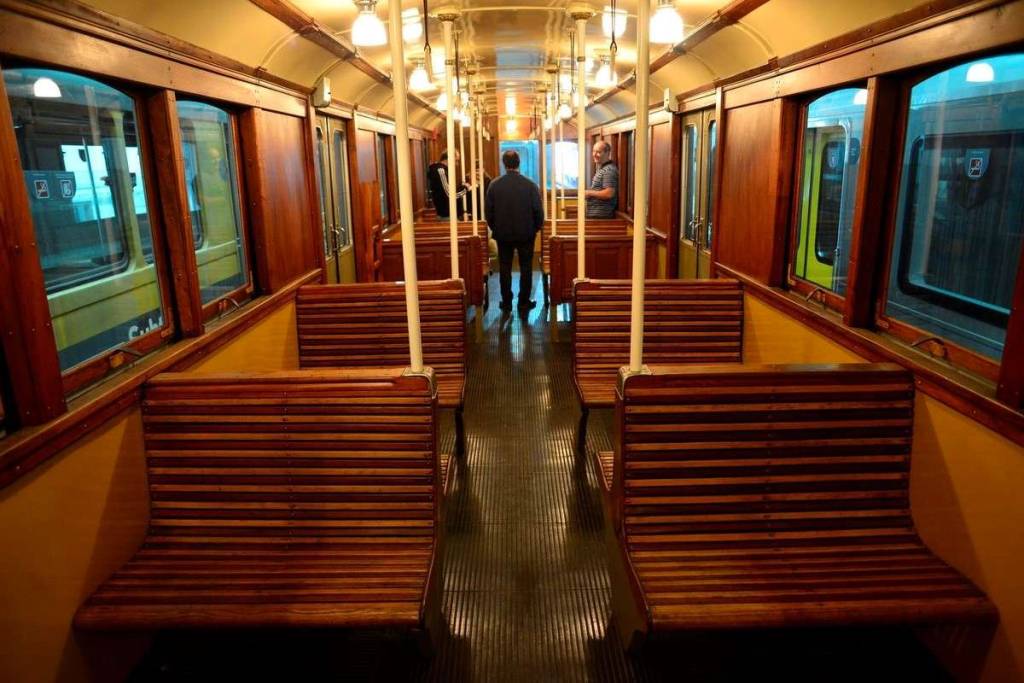
For exactly one century, the “Brujas” transported millions of Buenos Aires residents, weathering the changing times, modernizations, and the pace of Buenos Aires. They were not withdrawn from commercial service until January 2013, making them the world’s oldest continuously operating subway cars.
A Nighttime Journey into the Past
What seemed like the end of an era turned into an exclusive experience for the nostalgic and the curious. After they were taken out of service, a group of these historic cars was declared part of the city’s cultural heritage and underwent a meticulous restoration process to restore them to their original 1913 splendor.
Today, more than 110 years after their first journey, the “Brujas” have not been forgotten in a warehouse. From time to time, the company Subterráneos de Buenos Aires (SBASE) organizes historical nighttime tours. Outside of regular business hours, those who manage to secure a spot in these free raffles can descend into the stations and relive the magic of traveling in these rolling museums, feeling the same creak of the wood and the same atmosphere that dazzled the people of Buenos Aires in the early 20th century.