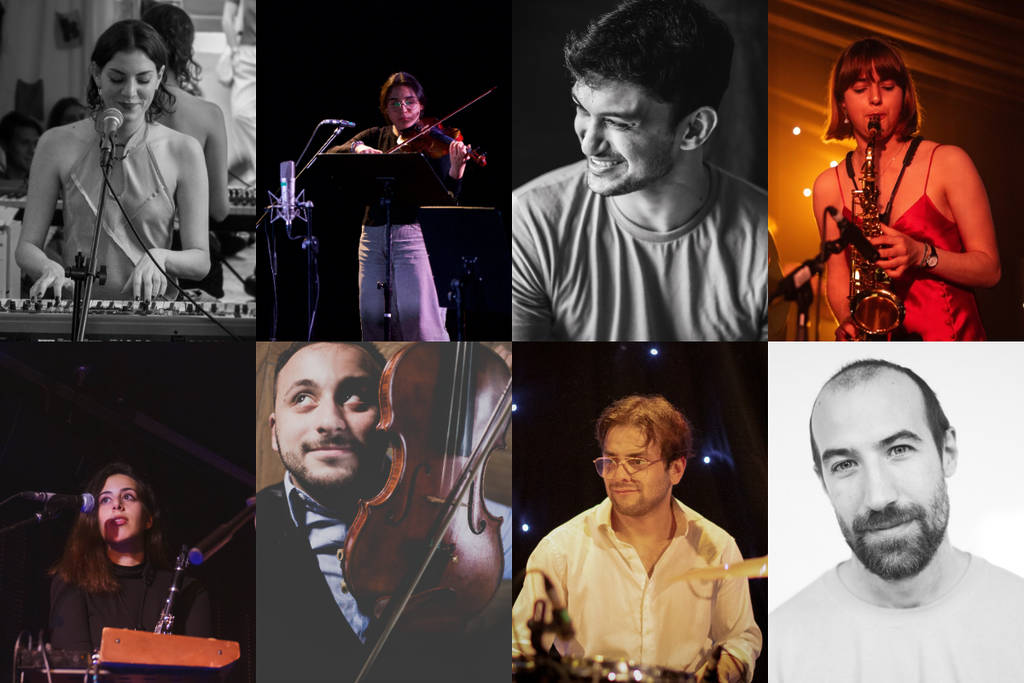

German is a drummer and musicologist. Paula is an expert in music rights, and Ricky trained at Berklee in film composition. None of them are on stage, but they all influence what you later hear at Candlelight and other major productions by Fever Originals, also in Buenos Aires.
They are part of the Fever Music Team, a group of 14 music curators spread across the globe who define the sound of every concert and act as a quality filter: from tracking down musicians like true detectives to reviewing, tweaking, and cutting out what doesn’t work. A key role in the success of these shows that you can now experience from the inside.

Who are the 14 experts who shape the sound of Candlelight in Buenos Aires and around the world
This is how one of the music curators sums it up, referring to the group made up of Pablo, Ricky, Aalok, Tyler, German, Hyunmin, Paula Gonzalez, Paula Flores, Andree-Ann, Adrian, Ross, Javi, Lulu, and Ana Sofía.
A “privileged team” made up of top-tier professionals with backgrounds in the philosophy of music, musicology studies at Oxford, and careers on Broadway or in major European orchestras. Many continue to play—cello, drums, or violin—and are the ones who review the arrangements and decide what works (and what doesn’t) in each program.
Each region has its own expert with direct knowledge of the local scene. In Buenos Aires, that role is filled by Paula Flores, the music curator for LATAM behind such iconic repertoires as those of the tribute concerts to Soda Stereo, Charly García, and Luis Alberto Spinetta.
What music curators do (beyond choosing songs)
It all starts well before the concert. They search for the best musicians on websites, YouTube, or Instagram, and they do so with “the eye of a private investigator.” They spot talent, select it, and work with each artist to build the program’s identity.
With that done, the team dives right into analyzing the artists’ music, putting together the setlist, and commissioning arrangements that they later review, tweak, or discard. “I really enjoy seeing how the arrangements come to life,” says one of them. They also evaluate live performances and meticulously correct what goes wrong, applying a strict quality filter so that everything that makes it to the stage is, quite simply, perfect.
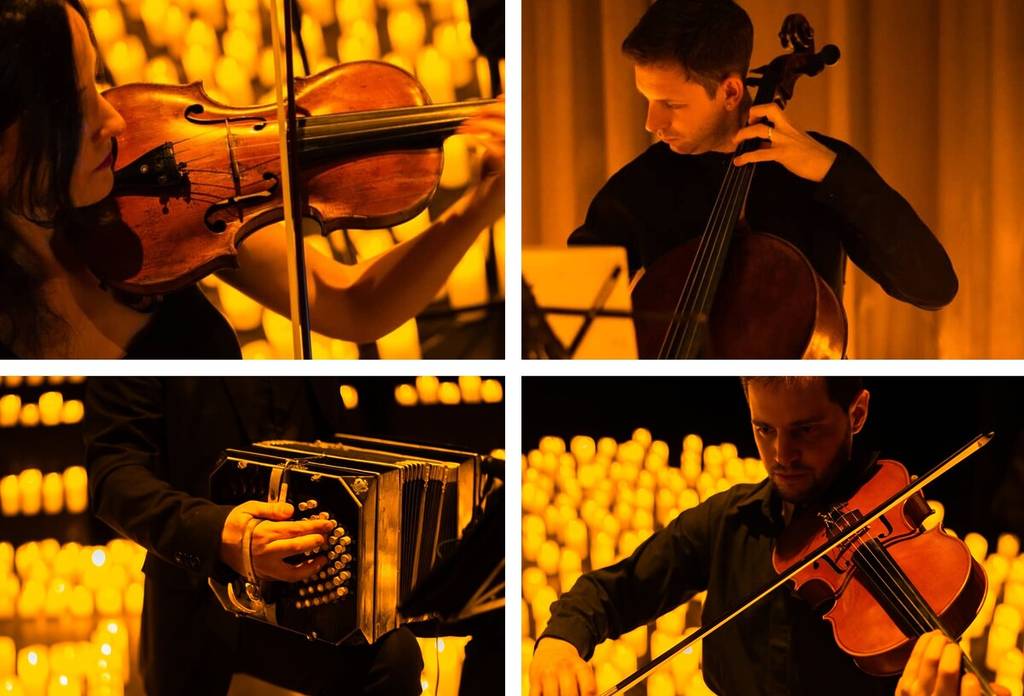
The role of technology: why the final decision is never made by an algorithm
Choosing the repertoire is a constant balancing act between data, musical judgment, and what the audience is passionate about. The music curators look at the popularity of songs and trends on social media, but they also research what the audience expects to hear at each concert. Then it’s a matter of knowing which pieces work on piano or string quartet and which ones to add. “If there are already a lot of hits, I try to find lesser-known gems for the true fans,” adds another.
And what about AI? In the Fever Music Team, technology is seen as an extremely useful assistant for very specific tasks such as researching artists, organizing information, or processing statistical data on trends on platforms like TikTok or Spotify. However, the final creative curation relies exclusively on the human factor.
And as one of the curators points out, “music is a living thing, created by people.” Even if algorithms tell you what’s popular, they lack the driving force behind Candlelight and other shows like The Jazz Room: the sensitivity, lived experience, and artistic judgment that only a human curator can provide to make a song give you goosebumps.
Curators: Pablo Moreno Sánchez, Robert Tyler Bechtle, Javier Calderari Torres, Ricky Schweitzer, Ana Sofía Vela Ramirez, Andree-Ann Deschenes, Hyunmin Kang, German Ocampo Barrera, Adrian Martens, Paula Gonzalez, Paula Flores, Lulu Whittington, Ross Raymond Mccaw, and Aalok Gandhi