
Do you remember those good old days when strolling through Buenos Aires didn’t cost much? Fortunately, you don’t need to pay to explore Buenos Aires and discover many of its most beautiful spots, but the truth is that over the past few years, many places that used to be free to visit are no longer free. If you’ve been out of the loop and were in for more than a few surprises thinking that admission to your favorite museum was still free, here’s a guide to 10 places that used to be free… but aren’t anymore.
The Viewing Deck at Galería Güemes

Going up to the 14th floor of this architectural gem on Florida Street used to be an open secret. If the building was open during business hours, you’d hop in the elevator, head up to the terrace, and enjoy one of the best 360° views of downtown Buenos Aires without paying a peso. Today, the terrace has been beautifully restored, but it operates strictly as a tourist observation deck with an admission fee.
The Ecopark (formerly the Zoo)

When the Buenos Aires Zoo closed its doors for renovation, the initial promise—and its first few years of operation—were based on a 100% free ecological tour model. However, over time and as a result of internal privatizations, the model changed, and access to the full experience became subject to an admission fee.
The Monumental Tower (formerly the English Tower)

Located across from Retiro Station, this tower is a city landmark. After its renovation several years ago, taking the elevator up to the clock observation deck to see the harbor and the plaza was a free activity. Currently, it’s part of the City Government’s museum circuit and requires an admission fee.
Visits to the Teatro Colón

Several decades ago, curious visitors and opera lovers could wander through the foyer, peek into the main hallways, and even watch some rehearsals without having to reach for their wallets. Today, exploring the interior of the world’s most important opera house outside of a performance requires purchasing a ticket for the official guided tour.
Recoleta Cemetery

This open-air museum has always been free to visit. While Argentines can still enter for free today (by showing their ID), you used to be able to take your friends or family members who were visiting as tourists to stroll through the historic vaults without them being charged. Today, international visitors pay an admission fee of several thousand pesos.
The Galileo Galilei Planetarium

There were long periods when taking the kids to see the shows at the Palermo Dome was completely free, or at most, they’d ask you to donate a non-perishable food item in exchange for a seat. Today, the Planetarium has been completely modernized, but all its shows and tours have a fixed admission fee.
The Japanese Garden
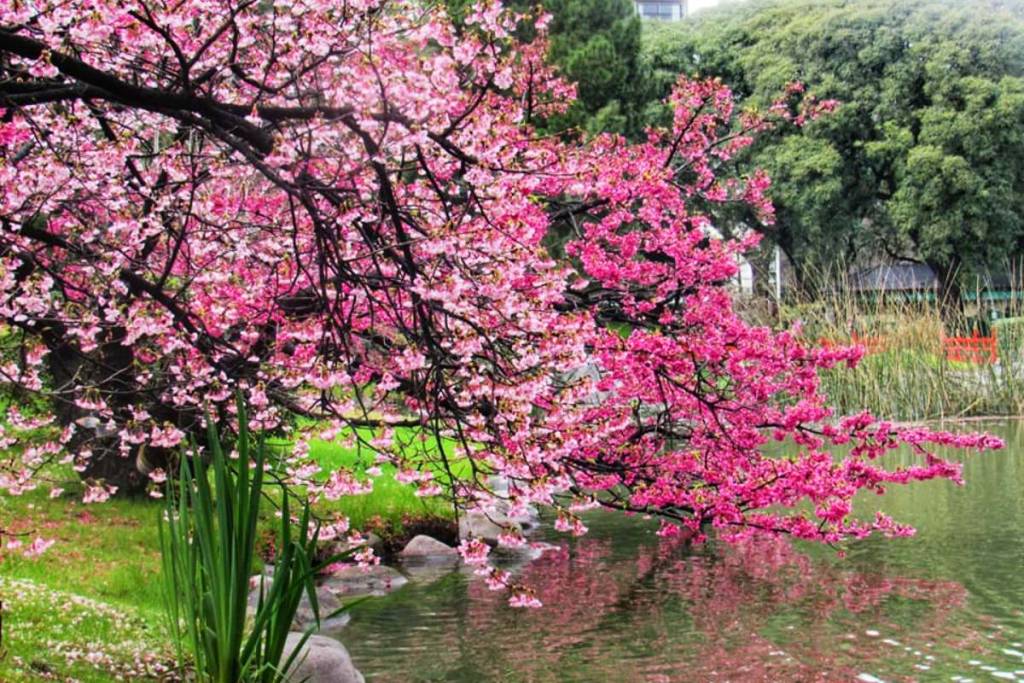
Although today we think of it as an established cultural and culinary complex, it originally functioned as just another public green space in the city, open to the public. Today, maintaining such a high standard of landscaping comes at a cost, and the Garden has one of the most expensive admission fees for venues of its kind in the city.
The Museum of Natural Sciences
The classic of classics for school field trips and family weekends. For many, many years, admission to see the dinosaurs involved a small acrylic box at the door where visitors could leave a “voluntary contribution.” Today, a ticket is required for everyone.
International Exhibitions at the Bellas Artes

It’s only fair to clarify: the incredible permanent collection of this giant on Avenida del Libertador remains a source of national pride, with free admission. However, there was a time when major international temporary exhibitions were also 100% free to the public. Today, if you want to see the season’s “main attraction”—featuring works on loan from Europe’s top museums (as was the case with the Turner or Picasso exhibitions)—you’ll have to pay a special admission fee to enter that pavilion.
The terraces and domes of Avenida de Mayo
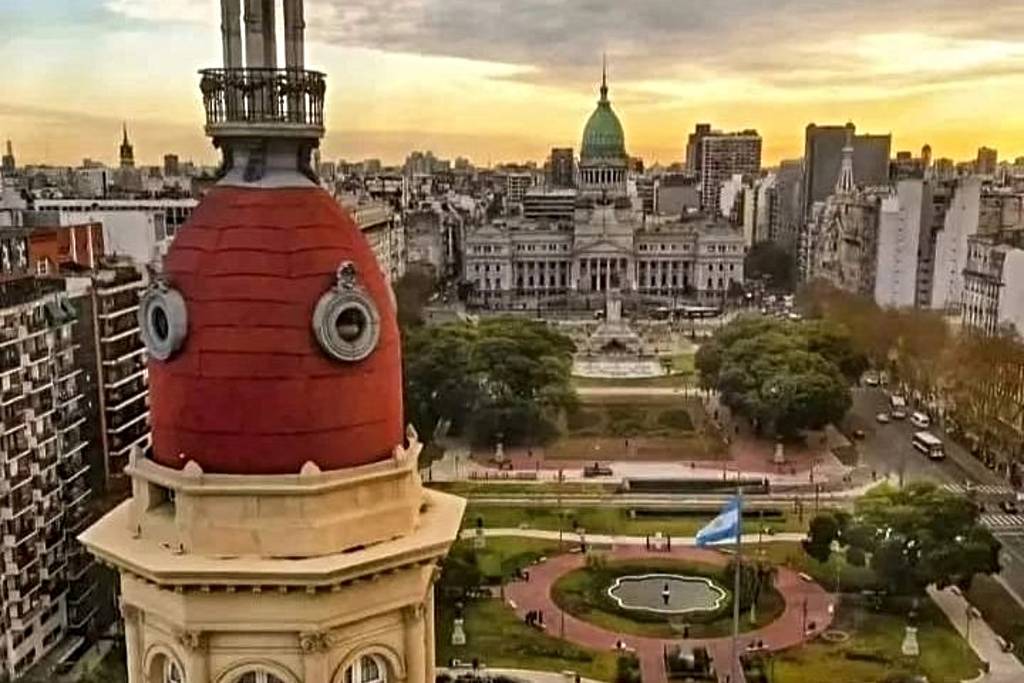
A couple of decades ago, architecture enthusiasts could wander freely into the lobbies of the grand classic hotels on 9 de Julio Avenue or certain galleries on Avenida de Mayo, take the elevator to the top floor, and enjoy the best views from above without having to answer to anyone. Today, the rooftop bar craze has privatized Buenos Aires’ skyline: to step out onto the trendy terraces and see the city from above, you need a reservation in advance and, in the vast majority of cases, pay a mandatory minimum drink charge (which isn’t usually cheap).