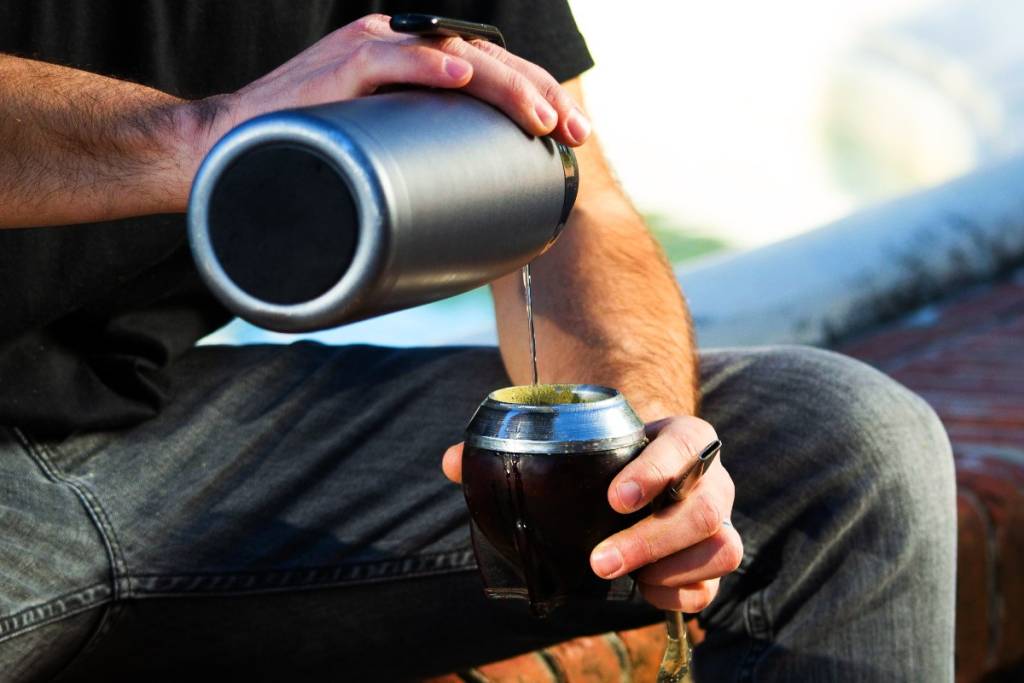

Carrying a thermos under your arm is practically a national pastime, and with the craze for Stanley thermoses in recent years, the black market was quick to react. If you can’t put your mate down, it’s important to know that two recent toxicological reports have confirmed that metal levels exceeding the permitted limits were detected in counterfeit Stanley thermoses. Here’s what you need to know.
What the experts found in the counterfeit thermoses
The studies were conducted at the request of the official importer as part of a judicial investigation into smuggling. The analyses were carried out at two of the country’s leading centers:
- Dr. Ricardo Gutiérrez Children’s Hospital (Toxicology Unit): The study found that the counterfeit products analyzed contain copper concentrations exceeding the permitted limit and are made with unauthorized materials.
- Posadas Hospital (National Poison Control Center): This report identified the presence of manganese and silicon, which violates the requirements established by the Argentine Food Code.
The National Administration of Medicines, Food, and Medical Technology (ANMAT) stipulates that, to ensure the safety of these metal containers, the total content of impurities (including copper, lead, and arsenic, among others) must not exceed 1%. Cheap knockoffs achieve their low prices by using low-quality alloys that are not certified as food-grade, which allows these metals to leach out and pass directly into the water of your infusions.
Health Risks
The leaching and continuous ingestion of copper can cause acute gastrointestinal symptoms and long-term liver or kidney damage, while excessive exposure to manganese directly affects the central nervous system, especially in infants and children.
The importing company announced that it will request the court to forward the case files to various national agencies, including ANMAT and INAL, the National Ministry of Health, and health authorities throughout the country, with the aim of removing the unauthorized merchandise from both brick-and-mortar stores and digital platforms.
How to Tell If Your Thermos Is a Fake
There are three key indicators that reveal whether a thermos is a knockoff, as well as manufacturing features that distinguish any copy from an original Stanley thermos:
- Inside the flask: While the original has a continuous, imperceptible weld with vacuum insulation, the counterfeits often feature rough seams, alloy residue, and poor finishes.
- The price: If the price is significantly below the official importer’s list price, that’s the clearest sign you’re dealing with a replica.
- Engravings and base: The originals have clear inscriptions and finishes on the base with manufacturing details. If you notice errors, spelling mistakes, or faulty printing, be wary.